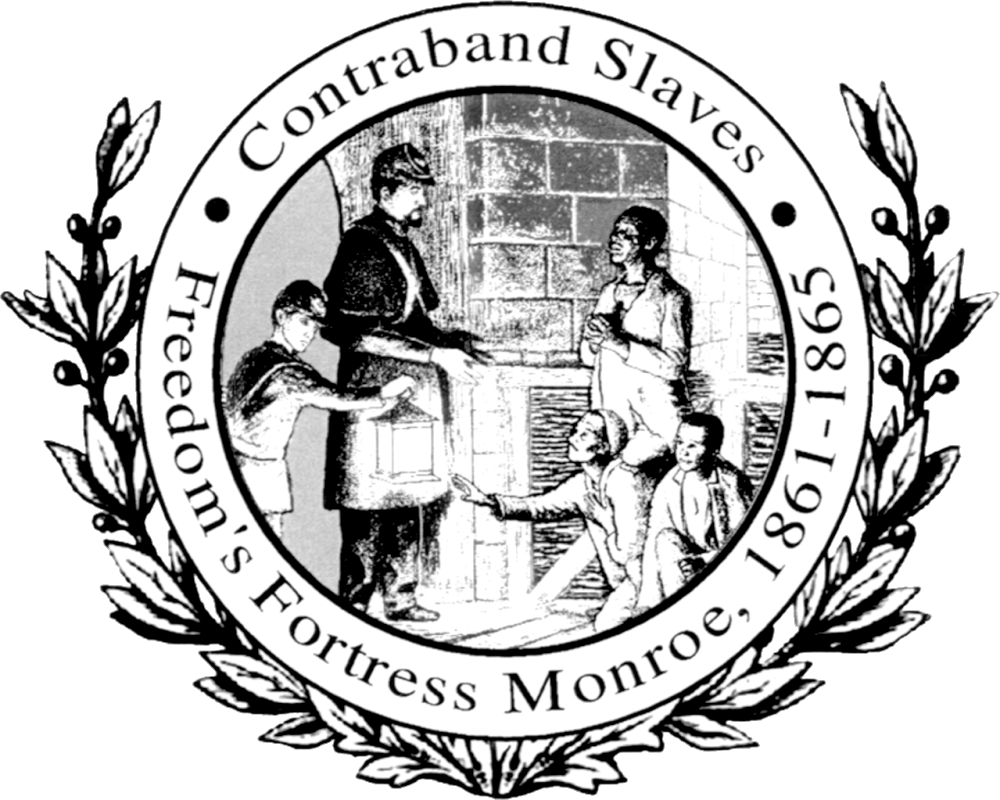
A Symposium at fort monroe
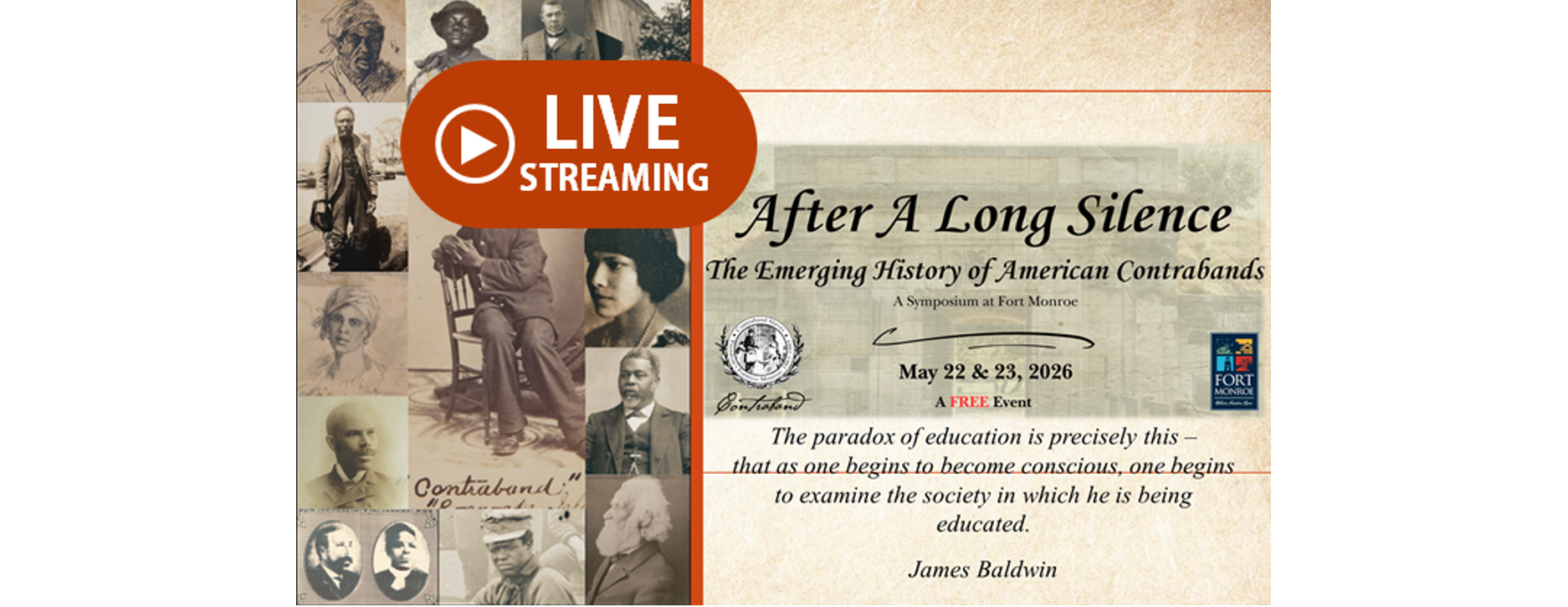
After A Long Silence is SOLD OUT!
You can still attend via our YouTube channel, where both days of the symposium will be streamed: https://www.youtube.com/@ContrabandHistoricalSociety-VA/streams
Please feel free to share this link widely.
Fri., May 22Fort Monroe | Sat., May 23Fort Monroe |
|
Session 1: Making History Visible: Museums, Memory and Creative Interpretation 9:00 – 10:15 AM |
Session 5: They Took Up Arms: The Self-Emancipated and the United States Colored Troops of Fort Monroe 9:00 – 10:15 AM The Annual Commemoration of the Contraband Decision of 1861 Short evening reception to follow |
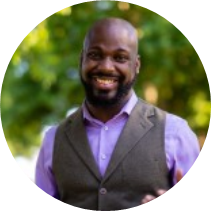 Joseph Rogers - Moderator
Director of Community Partnerships
Joseph Rogers is Curator of Exhibitions at the Virginia Museum of History and Culture, where he develops and interprets exhibitions that explore Virginia’s history through inclusive, research-driven storytelling. His work emphasizes material culture, primary sources, and collaborative approaches to public history that foreground complexity and lived experience. Rogers’ exhibitions contribute to ongoing efforts to broaden historical narratives and engage diverse audiences with the social, political, and cultural forces that have shaped Virginia and the nation.
https://virginiahistory.org/
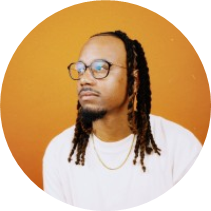 Tev'n Powers - Panelist
Software Engineer · Community Historian · Digital Humanist
Tev’n Powers is an independent software engineer and community historian whose work focuses on digital approaches to African American history and self-emancipation. As a 2024–2025 Virginia Public Humanities Fellow, he created Fugitive Data Portraits: Self Emancipation in Virginia, a digital public history project that visualizes archival records to illuminate the lives and decisions of freedom seekers. Through the integration of data analysis, historical research, and community-centered storytelling, Powers’ work expands access to primary sources and offers new ways of understanding the movements, networks, and agency of those who pursued freedom during the Civil War era.
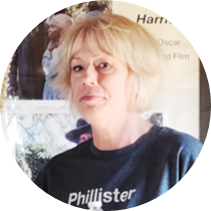 Melanie Roberts - Panelist
Docent · Public Historian · Descendant
Melanie Roberts is a docent and interpreter at Berkeley Plantation, where she works to present a fuller and more human-centered history of the site. Roberts brings wisdom and empathy to her public history practice, emphasizing the importance of descendant voices in interpreting historic landscapes. She is the creator of Berkeley’s new interpretive tour, FREEDOM FOR SOME, which reframes the plantation narrative by examining liberty, exclusion, and the unequal realities of freedom in the nation’s founding era. Through tours, dialogue, and community engagement, Roberts contributes to ongoing efforts to restore agency, context, and truth to plantation interpretation
https://berkeleyplantation.com/
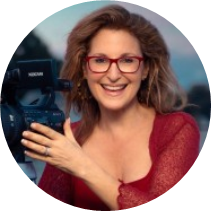 Laura Seltzer Duny - Panelist
Documentarian · Filmmaker & Impact Director
Laura Seltzer-Duny is an Emmy Award–nominated PBS filmmaker whose work centers on history, memory, and the ethical responsibilities of storytelling. Her films explore the intersection of archival research, descendant voices, and lived experience to illuminate underrepresented histories. She is currently working on two documentaries set in Hampton Roads, VA. THE GATE: The Story of America's First Contraband Community, examines the histories of two families at the origins of self-emancipation at Hampton and Fort Monroe through descendant-centered storytelling and historical inquiry. JOURNEYS OF LIBERTY: Revolutionary Hampton, tells the story of the 1775 Battle of Hampton, the first engagement to bring the Revolutionary War to Virginia. Through a careful, research-driven approach, Seltzer-Duny’s work emphasizes descendant voices, accuracy, context, and human agency, contributing to a deeper public understanding of the past and its enduring significance.
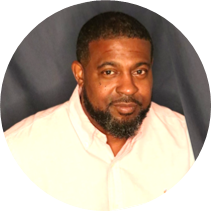 Willie Wright - Panelist
Playwright · Public Historian · Contraband Descendant
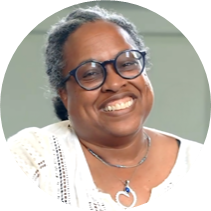 Ajena Rogers - Moderator
Public Historian · Contraband Descendant
Ajena Rogers is a public historian and Contraband descendant whose work centers on African American history, memory, and the lived legacies of the Civil War era. She has worked with the National Park Service, contributing to public interpretation, research, and educational programming that foreground descendant-centered narratives and inclusive storytelling. Through archival research, public programs, and collaborative projects, Rogers works to broaden how self-emancipation, freedom-seeking, and postwar Black life are understood and presented to contemporary audiences. NPS Article-Ajena Cason Rogers
 Bracey Boone - Panelist
Contraband Descendant · Descendant Researcher · Writer
Bracey Boone is a Contraband descendant, writer, descendant researcher, and Board Member of the Contraband Historical Society. His work centers on family history, archival recovery, and the lived experiences of freedom seekers during the Civil War. Drawing on military records, pension files, and community memory, Boon helps reconstruct ancestral narratives that have long been absent from traditional historical accounts. Through writing, board leadership, collaborative research, and public engagement, he contributes to descendant-centered approaches that restore names, context, and agency to the history of the American Contrabands.
 Pamela Holley - Panelist
Contraband Descendant · Descendant Researcher
Pamela Holley is a Contraband descendant whose research focuses on tracing family lineage and documenting the experiences of formerly enslaved people who sought freedom during the Civil War. Her work emphasizes the importance of oral history, archival discovery, and descendant knowledge in preserving and interpreting the history of Contraband. Through research, storytelling, and community engagement, Holley contributes to ongoing efforts to center descendant voices in the interpretation of emancipation and its enduring legacies.
 Richard Rutherford - Panelist
Independent researcher and historian
Richard Rutherford is an independent researcher and historian who focuses on the Civil War era and aftermath. A third great-grandson of Union Generals Benjamin F. Butler and Adelbert Ames, Rutherford brings a family-informed perspective to the study of the Contraband Decision and its lasting historical and ethical repercussions. His work emphasizes the importance of descendant voices in evaluating military policy and in understanding and presenting self-emancipation today. Through public programs, research, and dialogue, Rutherford contributes to ongoing efforts to contextualize the origins of the American Contrabands within both national history and lived family memory. LTSS Consulting
 Tim Savage - Panelist
Contraband Descendant · Descendant Researcher
Tim Savage is a Contraband descendant and descendant researcher whose work centers on family history, archival recovery, and the lived experiences of freedom seekers during the Civil War. His research draws on military records, pension files, and community memory to reconstruct the lives of ancestors whose stories were long absent from formal historical narratives. Through public engagement and collaborative research, Savage contributes to descendant-centered approaches that restore names, context, and agency to the history of the American Contrabands.
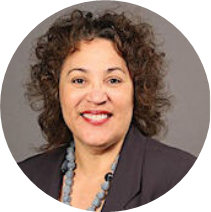 Cassandra L. Newby-Alexander, Ph.D. - Moderator
Endowed Professor of Virginia Black History, Author, Historian
Cassandra Newby-Alexander, Ph.D., is the Endowed Professor of Virginia Black History and Culture and the former Dean of the College of Liberal Arts at Norfolk State University. She is the author of numerous books and articles, including Daily Life Along the Underground Railroad (2026) and Virginia Waterways and the Underground Railroad (2017). She has received grants totaling over $1.5 million and has served on numerous boards and commissions including co-chair of the Virginia Commission on African American History Education in the Commonwealth, the Virginia Commission to Study Slavery, Norfolk Festevents, Portsmouth’s VA250 Committee, Norfolk’s VA250 Committee, and the Commission to Study the Uprooting of Black Communities by Public Institutions of Higher Education in the Commonwealth. Newby-Alexander has appeared on numerous national programs and documentaries including NBC’s Nightly News on the descendants of slaveholders, PBS’s Many Rivers to Cross, C-SPAN’s Lectures in History series on the Underground Railroad, C-SPAN’s “African Americans in Hampton Roads, Virginia” for the Virginia Center for Civil War Studies Conference, the History Channel’s Race, Slavery and the Civil War, and lectures on African American History. She has appeared on BBC News’ “The British Role in America’s Tainted Past,” and Clay Jenkinson’s ”Listening to America” podcast.
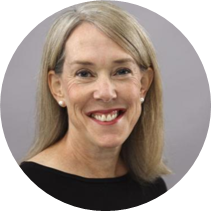 Amy Murrell Taylor -Panelist
Professor, Historian, Scholar
Amy Murrell Taylor is a historian and professor at the University of Kentucky whose research focuses on slavery, emancipation, and displacement during the Civil War. She is the author of Embattled Freedom and The Divided Family in Civil War America, which examine how freedom seekers and families navigated war, separation, and uncertainty as slavery collapsed. Her scholarship has been central to the study of self-emancipation and wartime refugee movements.
AS UKY EDU-Amy Murrell Taylor
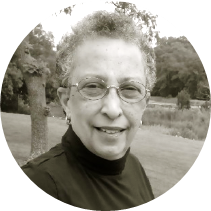 Selma Stewart - Panelist
Genealogist · Family History Researcher, Past President of the Afro American Historical and Genealogical Society, Hampton chapter
Selma Stewart is a genealogist and family history researcher whose work focuses on tracing African American lineages, “Enslaved” and “Free,” through archival records, oral history, and historical documentation. Her research emphasizes the recovery of names, relationships, and life stories fragmented by slavery and its aftermath. Stewart previously served as President of the Hampton Roads Chapter of the Afro-American Historical and Genealogical Society (AAHGS) and served on the Board of the Virginia Genealogical Society (VGS), where she provided leadership in genealogical education, community outreach, and descendant-centered research initiatives. In March 2026, she was a panelist at the Smithsonian’s National Museum of African American History “Freedmen’s Bureau Symposium” in Washington, DC. She also served as one of the coordinators, along with Kate Smith of the Tidewater Genealogical Society, on the indexing of the “Newport News Birth and Death Records 1898-1912 Project,” a joint project from 2005 to 2007. She has participated in numerous other transcription projects, including the Virginia Freedmen's Bureau RG 105, and is currently indexing and transcribing for the Library of Virginia’s “VA Untold: The AA Narrative.”
AAHGS.ORG-Selma Stewart
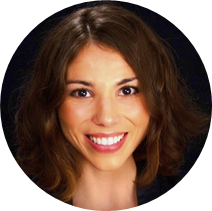 Abigail Cooper - Panelist
Historian · Scholar of Religion and the Civil War
Abigail Cooper is an Assistant Professor of History at Brandeis University whose scholarship examines religion, ritual, and political awakening in Black refugee communities, often known as “contraband camps,” during the American Civil War. Her research explores how spiritual practices within these camps shaped kinship formation, collective identity, and postwar political participation for formerly enslaved people navigating the transition from slavery to freedom. Cooper’s work highlights Black spiritual creativity as both a source of resilience and a site of tension, illuminating religion as a dynamic and precarious force that mediates relationships among the enslaved, the state, and emerging claims to citizenship. Through this lens, her scholarship engages enduring questions of belonging, peoplehood, and self-emancipation at the end of slavery.
Scholarworks.BRANDEIS.EDU-Abigail Cooper
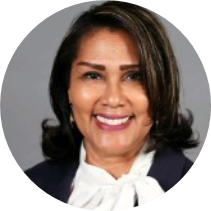 Dr. Colita Nichols Fairfax - Panelist
Professor · Social Scientist · Historiographer
Dr. Colita Fairfax is Professor, Honors College Senior Faculty Fellow, and an inaugural faculty scholar in the Center for African American Public Policy at Norfolk State University (NSU). She has written several articles, reviews, chapters, and the following books, Hampton, Virginia, (2005), Timeless History and Service: The Iota Omega Chapter of Alpha Kappa Alpha Sorority, Inc, 1922-To Our Time (2017); edited two books, Social Work, Marriage and Ethnicity: Policy and Practice (2016), and The African Experience in Colonial Virginia (2021). She wrote the Foreword for A Guidebook to Virginia’s African American Historical Markers (2019). She earned the Doctor of Philosophy and the Master of Arts in African American Studies from Temple University; the Master of Social Work from Rutgers University, and the Bachelor of Social Work from Howard University. Dr. Fairfax was appointed to the city of Hampton’s 400th Commemorative Commission in 2010, where she contributed to documenting African American contributions on several historic markers, and articulated how the African figure of the tri-cultural anniversary statute on Settlers Landing Road in Hampton should be depicted. She served as co-chairman of the city of Hampton’s 2019 Commemorative Commission, tasked with planning activities commemorating the arrival of African people in English North America, Point Comfort (present-day Hampton) in 1619. Governor Terry McAuliffe appointed Dr. Fairfax to the State Board of Historic Resources in 2016, of which she served as Vice-Chairman twice, and Chairman twice. Governor Ralph Northam re-appointed her to that board, making her the first Black woman vice-chairman and the first Black chairman of that state board. In 2020, Governor Northam appointed her to the Commission for Historic Statues in the United States Capitol, tasked with removing and replacing the Robert E. Lee Statue with Civil Rights teenager Barbara Johns in the U.S. Capitol in 2026. She is president of the Barrett-Peake Heritage Foundation, Inc., a nonprofit preservation organization whose mission is to preserve Black historic sites in the city of Hampton. Dr. Fairfax is a charter member of the Hampton Roads Branch of the Association for the Study of African American Life and History.
https://barrett-peake.org/
NSU.EDU-Dr.Colita Nichols Fairfax CV
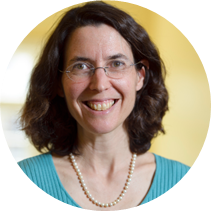 Chandra Manning - Panelist
Professor Historian
Chandra Manning teaches U.S. history at Georgetown University, chiefly of the 19th century, including classes on the Civil War, slavery and emancipation, Lincoln, the American Revolution, and the History of Baseball (not necessarily in that order). Her first book, What This Cruel War Was Over: Soldiers, Slavery, and the Civil War (Knopf, 2007) won the Avery O. Craven Prize awarded by the Organization of American Historians, earned Honorable Mention for the Lincoln Prize and the Virginia Literary Awards for Nonfiction, and was a finalist for the Jefferson Davis Prize and the Frederick Douglass Prize. Her second book, Troubled Refuge: Struggling for Freedom in the Civil War (Knopf, 2016), about Civil War refugee camps where former slaves allied with the Union Army and altered the course of the war and of emancipation, won the Jefferson Davis Prize awarded by the American Civil War Museum for best book on the Civil War. Eventually, she intends to write something that would qualify for a prize not named for a dead Civil War president. She isa co-founder of Citizen Historians for the Smithsonian. She has a particular interest in neurodiversity. She is also a former National Park Service Ranger and a forever Red Sox fan.
GU Faculty Chandra Manning
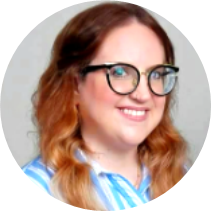 Amburr Phillips - Panelist
Dissertation Student · Emerging Scholar
Amburr Phillips is a doctoral candidate in History at Liberty University whose research centers on the lives of self-emancipated women known during the Civil War as “Contrabands”. Her dissertation, Mothers of Freedom explores how Black women shaped the earliest free communities in Hampton, Virginia, through their labor and leadership. By working across fragmented federal, military, and local records, she is reconstructing experiences that have long been obscured and ignored by archival silences. Her scholarship highlights the gendered dimensions of emancipation and argues that women’s work, both paid and unpaid, was foundational to the transformation of wartime policy and the meaning of freedom. Through her work, she is trying to contribute to the growing field of Contraband and women’s studies.
Her passion for making history more accessible to communities has shaped her work. In addition to her academic research, Amburr brings extensive public history experience from working in museums, curating exhibits, conducting archival research, and participating in restoration projects, all of which demonstrate her commitment to material culture, preservation, and community engagement. Her scholarship is helping raise awareness of Contraband studies and broader conversations about memory, recovery, and archival challenges.
 Beth Austin - Panelist
Museum Professional · Public Historian
Beth Austin is a museum professional and public historian at the Hampton History Museum, where her work focuses on interpreting local history through exhibitions, collections, and public programming. Her practice emphasizes place-based history, community engagement, and accessible storytelling that connects Hampton’s past to its present. Austin’s work contributes to broader efforts to present inclusive and contextualized narratives, with particular attention to African American history and the lived experiences of people who shaped the region.
Hampton.gov
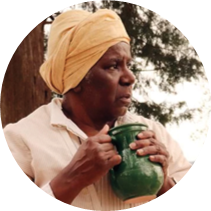 Valarie Gray-Holmes
Angela at Historic Jamestowne
Growing up in New Jersey, Valarie Gray-Holmes never imagined becoming a living historian. “I came down to Virginia when I was in the Girl Scouts, but I’d never had the chance to go to Jamestown,” says the actor who now plays Angela, the first named African woman known to arrive in the New World. Angela came to Jamestown from Angola in 1619, one of the few survivors seized by English privateers from the slave ship San Juan Battista, which was bound for Mexico.
“A lesser actor would not be capable of pulling this off,” says Mark Summers, director of Youth and Public Programs at Jamestown Rediscovery. In recounting Angela’s life, “she uses humor, faith, family, and the universality of the human experience.”
At Colonial Williamsburg, Gray-Holmes developed Soul of a Sharecropper, a program she performed at Carter’s Grove, part of the Colonial Williamsburg Foundation until it was sold in 2008. She was acting and interpreting on a freelance basis in 2019, when Historic Jamestowne approached her to portray Angela. A 1625 colony census lists her only as “Angelo [sic], a Negro Woman” along with the notation that she lived in the household of Captain William Pierce.
“When I started researching her, I read and read about Jamestown until I realized that I will never find Angela’s story in those books,” says Gray-Holmes, “because Angela’s story did not start with Jamestown. It started in Angola. To tell the story of where she came from, that was the nugget that I needed.”
Virginialiving.com
 Dr. Tommy Bogger - Moderator
Professor at Norfolk State University, Historian
Dr. Tommy Bogger is a distinguished historian, educator, and public intellectual whose career has been devoted to documenting and interpreting African American history, the Civil War era, and the long struggle for civil rights in the United States. He earned his doctorate in history from the University of Maryland and spent more than three decades teaching history and Black Studies at Montgomery College, where he was widely respected for his rigorous scholarship and commitment to public history. Dr. Bogger is best known for his leadership in preserving and interpreting African American Civil War history as the founding executive director of the African American Civil War Memorial and Museum in Washington, D.C., where he helped establish the nation’s premier institution honoring the nearly 200,000 Black soldiers and sailors who fought for the Union. Under his leadership, the Memorial and Museum became a vital center for scholarship, commemoration, and community engagement. A sought-after speaker, moderator, and advisor, Dr. Bogger’s work consistently emphasizes African American agency in the making of freedom and insists on grounding public memory in careful archival research. His career reflects a rare combination of scholarly depth, institutional leadership, and a sustained commitment to making history accessible, accurate, and responsibly told.
NPFV.ORG
 Tom Zoellner
Author · Journalist · Historian
Tom Zoellner is an author, journalist, and professor at Chapman University whose work bridges narrative nonfiction, history, and public memory. He is the author of several acclaimed books, including Island on Fire, Train, and The Road Was Full of Thorns, which centers the experiences of the American Contrabands and the lived realities of self-emancipation during the Civil War. Zoellner’s work emphasizes deeply reported storytelling as a means of understanding history as lived experience and moral inquiry.
https://tomzoellner.com
Chandra Manning
Historian · Civil War Scholar
Chandra Manning teaches U.S. history at Georgetown University, chiefly of the 19th century, including classes on the Civil War, slavery and emancipation, Lincoln, the American Revolution, and the History of Baseball (not necessarily in that order). Her first book, What This Cruel War Was Over: Soldiers, Slavery, and the Civil War (Knopf, 2007) won the Avery O. Craven Prize awarded by the Organization of American Historians, earned Honorable Mention for the Lincoln Prize and the Virginia Literary Awards for Nonfiction, and was a finalist for the Jefferson Davis Prize and the Frederick Douglass Prize. Her second book, Troubled Refuge: Struggling for Freedom in the Civil War (Knopf, 2016), about Civil War refugee camps where former slaves allied with the Union Army and altered the course of the war and of emancipation, won the Jefferson Davis Prize awarded by the American Civil War Museum for best book on the Civil War. Eventually, she intends to write something that would qualify for a prize not named for a dead Civil War president. She isa co-founder of Citizen Historians for the Smithsonian. She has a particular interest in neurodiversity. She is also a former National Park Service Ranger and a forever Red Sox fan.
Amy Murrell Taylor
Historian · Scholar of Emancipation and Refugees
Amy Murrell Taylor is a historian and professor at the University of Kentucky whose research focuses on slavery, emancipation, and displacement during the Civil War. She is the author of Embattled Freedom and The Divided Family in Civil War America, which examine how freedom seekers and families navigated war, separation, and uncertainty as slavery collapsed. Her scholarship has been central to the study of self-emancipation and wartime refugee movements.
Session 5: They Took Up Arms: The Self-Emancipated and the United States Colored Troops of Fort Monroe
 Dr. Brian Neumann - Moderator
Managing Director and Digital Historian of the Nau Civil War Center, UVA
Brian C. Neumann is the Managing Director of the John L. Nau III Center for Civil War History at the University of Virginia. He received his PhD from UVA in 2020, and his first book, Bloody Flag of Anarchy: Unionism in South Carolina during the Nullification Crisis, was published by LSU Press in 2022. He oversees the Nau Center's Black Virginians in Blue digital history project. He also served as the primary researcher for Furman University's 50th Anniversary Desegregation Commemoration.
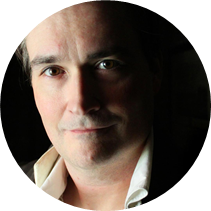 Brian Allison
Historian · Author · USCT Scholar
Born and raised in Nashville, Tennessee, Brian Allison grew up literally on the battlefield of Nashville, Tennessee and was fascinated by the history that surrounded him from a young age. A graduate of Austin Peay State University, he has worked in the public history field for most of his life, and has acted as a historical consultant, researcher, presenter, and interpreter for several museums such as Travellers Rest and Fort Negley in Nashville, Tennessee and Carnton in nearby Franklin. He is the author of several books of local history, and has served as a writer and presenter for a number of documentaries, including Blood and Fury: The Battle of Nashville, which aired on the American Heroes Channel in 2017. He is currently working on a manuscript about the battle. He lives in Williamsburg, Virginia with his wife and their cat.
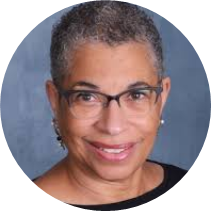 Leslie Anderson
Retired Librarian · Historical Researcher · Public Scholar
Leslie Anderson is a retired librarian and historical researcher whose work focuses on African American military service during the Civil War, with particular emphasis on the 1st United States Colored Cavalry. Drawing on military records, pension files, and archival sources, her research helps reconstruct soldiers’ lives and brings greater visibility to a regiment often overlooked in Civil War scholarship. Anderson shares her findings on her dedicated research website, 1st U.S. Colored Cavalry: Private Lives, Public Records (https://1stuscoloredcavalry.wordpress.com), making primary-source material accessible to descendants, scholars, and the public. Through meticulous archival work and public sharing of research, she contributes to a deeper understanding of Black cavalry service and the broader history of emancipation and military participation.
https://1stuscoloredcavalry.wordpress.com
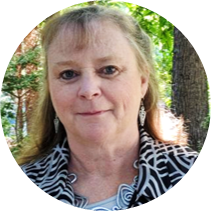 Françoise Bonnell
Director of Museums, Education, and Interpretation · Public Historian
Françoise Bonnell is Director of Museums, Education, and Interpretation at the Fort Monroe Authority, where she oversees interpretive planning, educational initiatives, and museum programming across the historic site. Prior to her work at Fort Monroe, Bonnell served in the United States Army, bringing a strong grounding in military history, leadership, and institutional culture to her public history practice. Her work emphasizes inclusive, research-driven storytelling and public engagement, with particular attention to Fort Monroe’s role in the origins of self-emancipation and the American Contrabands. Through collaborative partnerships, Bonnell helps shape how the site’s complex military and emancipation history is presented to the public.
https://fortmonroe.org/fort-monroe-authority
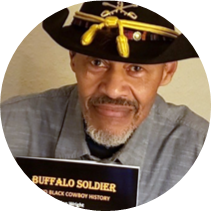 Ken Wright
Writer · Artist
Ken was born and reared in Richmond, Virginia. He obtained a BFA degree in graphics and fine art from Norfolk State University, Norfolk, Virginia. Ken is an abstract contemporary artist. When viewing his works, he asks the viewer to linger a while and not take the first impression.
As the viewer is looking at my work, I want him or her to “Hear the Melody, See the Movement, and Feel the Emotion.” Now the work is communicating with the viewer.
Ken is blessed to have his works in collections locally, nationally, and abroad. His paintings are in the collection of two U.S. Presidents; George W. Bush and Barack Obama. Among the many other collectors of his art is Bismarck Myrick, former U.S. Ambassador to the Republic of Liberia West Africa and Lesotho South Africa. His work is in the collection of the estate of former actress Eartha Kitt (Deceased). Hen’s added series of paintings is of the Buffalo Soldiers. He is a former Arts Commissioner for the State of Virginia, appointed by at that time Governor Douglas Wilder. He is retired after 39 years as a graphic artist, illustrator and page designer for the Virginian-Pilot Newspaper, Norfolk, Virginia, and was the only full time African American artist in the News and Graphics Department. Hen is the original artist maintaining a studio from day one in the d’Art Center located in Norfolk, Virginia. He is married to the former Simonetta Haley.
 Amanda Haas - Moderator
Collections Manager: Artifacts and Archives - Fort Monroe Authority
Amanda Haas is the Collections Manager: Artifacts & Archives for the Fort Monroe Authority. She manages a diverse collection of historic material of over 1,500 artifacts and 100,000 archival documents found across the Fort Monroe landscape. With over 20 years of experience in curation and archives, she is passionate about making collections accessible to communities and showcasing their intrinsic value in history.
 Liza Rodman
Author · Contraband Historical Society Board Member, Founder -The Other 50% Foundation
Liza Rodman is an author and student of history whose current work centers on self-emancipation, African American history, and the recovery of names and narratives long excluded from the historical record. Through archival research, Rodman uncovered her own family’s previously unknown connection to African American history, a discovery that deepened her focus on Fort Monroe, the origins of the American Contrabands, and the legal and human consequences of the Contraband Decision during the Civil War. Her current book project has a working title of THE LIST: The Contrabands, Ben Butler and the Civil War, and her memoir, THE BABYSITTER: My Summers With a Serial Killer, published in 2021 by Simon & Schuster. Through writing, public programming, and collaborative historical projects, Rodman contributes to expanding how emancipation, agency, and memory are understood and shared.
www.lizarodman.com
 Abigail Heinz
Librarian · Researcher · Digital History Intern
Abigail Heinz is a librarian with Suffolk Public Schools in Suffolk, Virginia, where she supports information literacy, research skills, and student engagement with historical sources. She also serves as a research intern with the Fort Monroe Authority, where she is helping to build the foundational research and structure for the Contraband Digital Archive. Her work combines librarianship, archival organization, and historical inquiry to support descendant-centered research and expand public access to records documenting self-emancipation and the American Contrabands.
Dr. Colita Nichols Fairfax - Panelist
Professor · Social Scientist · Historiographer
Dr. Colita Fairfax is Professor, Honors College Senior Faculty Fellow, and an inaugural faculty scholar in the Center for African American Public Policy at Norfolk State University (NSU). She has written several articles, reviews, chapters, and the following books, Hampton, Virginia, (2005), Timeless History and Service: The Iota Omega Chapter of Alpha Kappa Alpha Sorority, Inc, 1922-To Our Time (2017); edited two books, Social Work, Marriage and Ethnicity: Policy and Practice (2016), and The African Experience in Colonial Virginia (2021). She wrote the Foreword for A Guidebook to Virginia’s African American Historical Markers (2019). She earned the Doctor of Philosophy and the Master of Arts in African American Studies from Temple University; the Master of Social Work from Rutgers University, and the Bachelor of Social Work from Howard University. Dr. Fairfax was appointed to the city of Hampton’s 400th Commemorative Commission in 2010, where she contributed to documenting African American contributions on several historic markers, and articulated how the African figure of the tri-cultural anniversary statute on Settlers Landing Road in Hampton should be depicted. She served as co-chairman of the city of Hampton’s 2019 Commemorative Commission, tasked with planning activities commemorating the arrival of African people in English North America, Point Comfort (present-day Hampton) in 1619. Governor Terry McAuliffe appointed Dr. Fairfax to the State Board of Historic Resources in 2016, of which she served as Vice-Chairman twice, and Chairman twice. Governor Ralph Northam re-appointed her to that board, making her the first Black woman vice-chairman and the first Black chairman of that state board. In 2020, Governor Northam appointed her to the Commission for Historic Statues in the United States Capitol, tasked with removing and replacing the Robert E. Lee Statue with Civil Rights teenager Barbara Johns in the U.S. Capitol in 2026. She is president of the Barrett-Peake Heritage Foundation, Inc., a nonprofit preservation organization whose mission is to preserve Black historic sites in the city of Hampton. Dr. Fairfax is a charter member of the Hampton Roads Branch of the Association for the Study of African American Life and History.

The Annual Commemoration of the Contraband Decision of 1861
7:00 PM -8:30 PM
Chapel of the Centurion, Fort Monroe
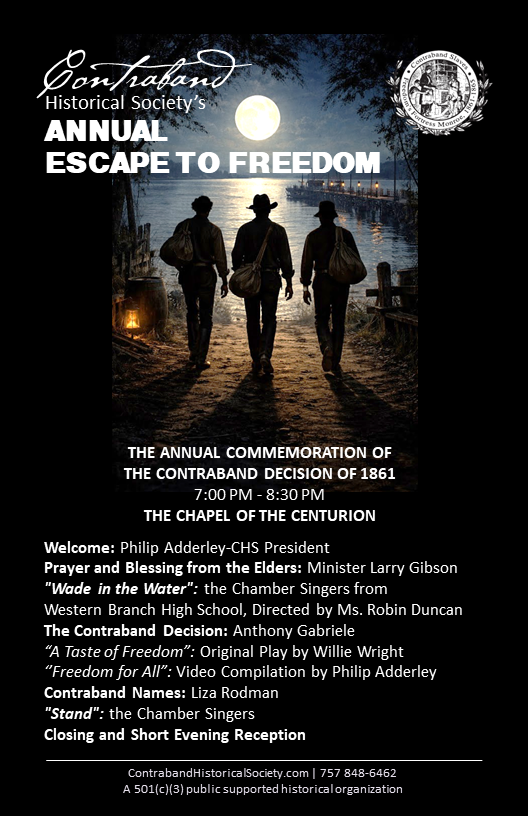
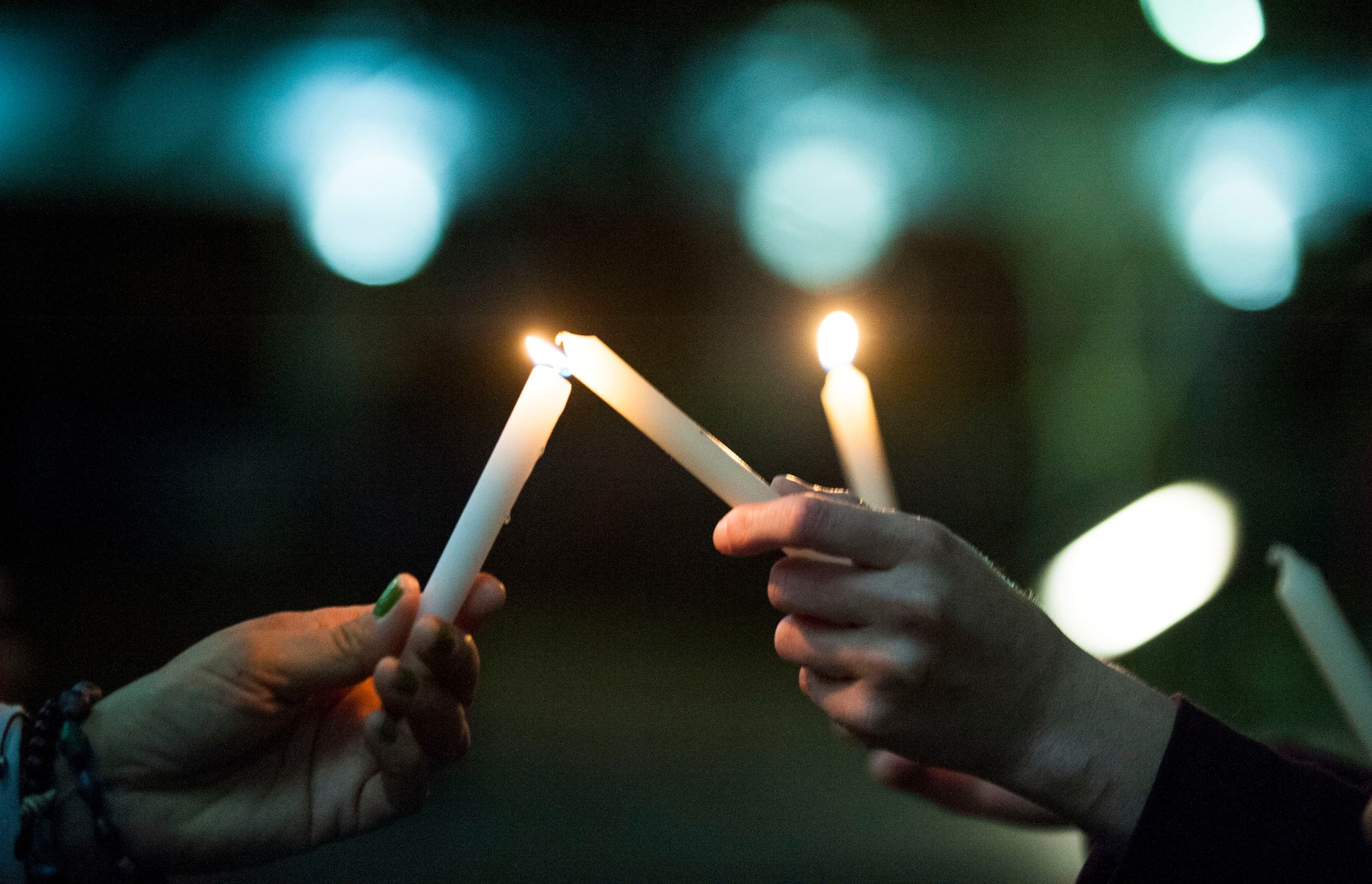
SUNDAY, May 24 · 6:30 PM — FORT MONROE, CANNON PARK
Walk in their footsteps toward freedom! Some moments in history deserve more than memory. They deserve witness.
On the evening of May 24th, walk with us through the very gates where history turned — where men, women, and children took their first breathtaking steps toward freedom.
In the glow of candlelight, we will honor the extraordinary courage and resilience of the Contrabands who dared to cross through the gates of Freedom's Fortress and claim their humanity in the face of an uncertain world.
A brief, moving procession will carry their memory forward — just as they carried hope forward — one bold step at a time.
Come remember. Come reflect. Come honor what their courage means yesterday, today, and for every generation to come.
